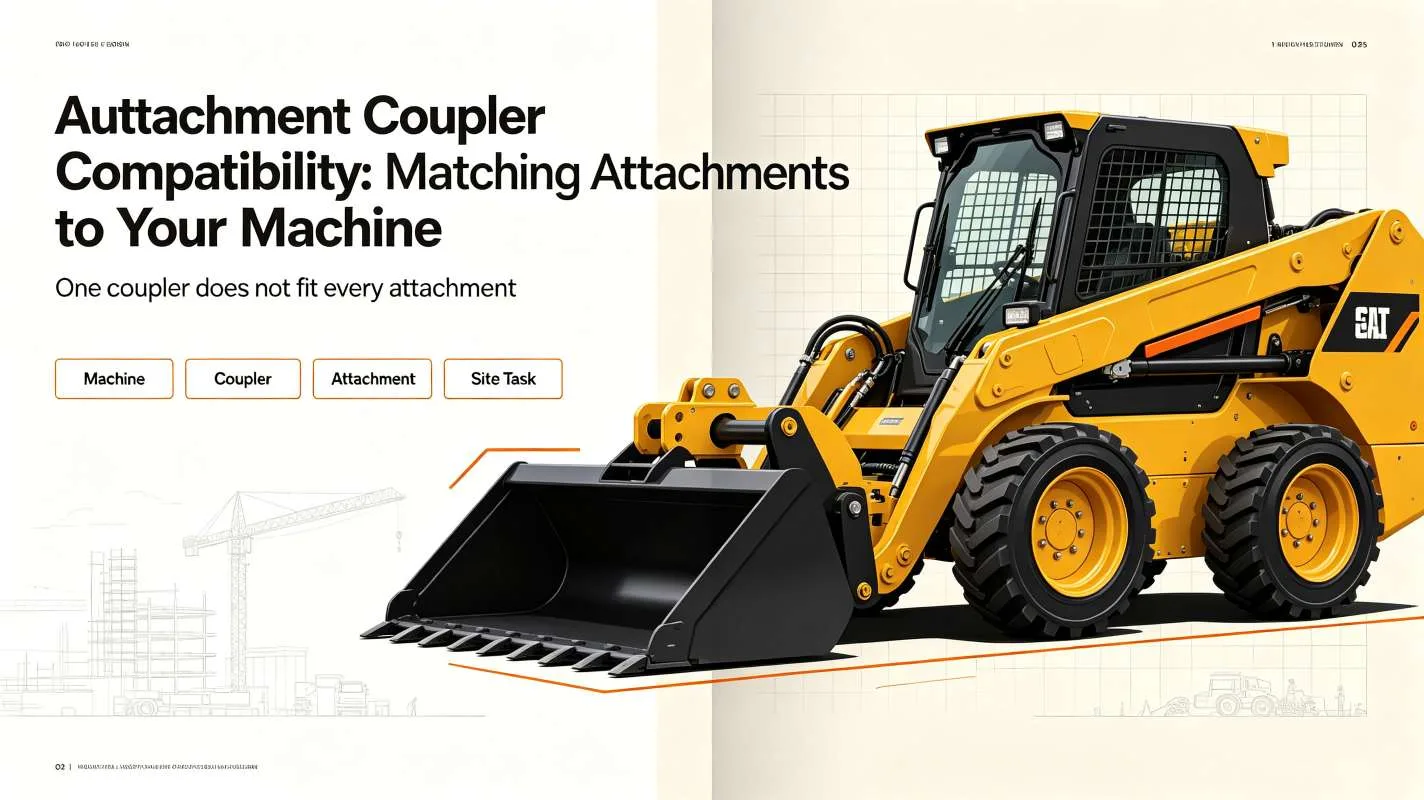
Attachment fitment problems are one of the most common causes of returns, site delays and safety incidents in equipment attachment supply. In most cases, the issue is not the attachment quality but a mismatch between the mounting interface and the machine's coupler system. Understanding attachment coupler compatibility before ordering prevents costly errors and ensures safe operation from the first day on site.
This guide explains the main coupler types, the dimensional data required for compatibility confirmation, and the most frequent fitment mistakes seen across wheel loader, skid steer and excavator platforms.
Why Coupler Compatibility Matters
An attachment mounting interface must satisfy three requirements simultaneously:
Dimensional match — pin centres, pin diameter, wedge dimensions and hanger width align with the machine or coupler specification.
Structural rating — the coupler and attachment mounting lugs are rated for the operating loads and impact forces of the application.
Locking integrity — quick coupler locking mechanisms fully engage and retain the attachment under all operating conditions, including negative-load situations.
A dimensional mismatch may allow physical installation but create excessive play in the connection, accelerated pin wear or coupler locking failure under load. These conditions are safety hazards and should be identified before the attachment is put into service.
Main Coupler Types Explained
Pin-On (Direct Mount)
The attachment connects directly to the machine lift arms or dipper link via removable pins. Pin-on mounting is the simplest and most rigid connection type. It is standard on machines dedicated to a single attachment and on applications where attachment changes are infrequent.
Key dimensions for pin-on fitment:
Pin centre distance (commonly called the A dimension).
Pin diameter.
Link width (clearance between mounting lugs).
Pin retention method — cotter pin, bolted cap or captured pin.
Mechanical Quick Coupler
A mechanical coupler fitted to the machine arms allows attachment changes without fully removing pins from the machine side. The operator engages a manual locking mechanism to secure the attachment. Common on mid-size wheel loaders and some excavator fleets where daily attachment changes are required but hydraulic quick coupler cost is not justified.
Hydraulic Quick Coupler
Hydraulic quick couplers allow the operator to change attachments from the cab using the machine's hydraulic system. Widely used on skid steers, compact track loaders and larger excavators where multiple tools are used within a single shift. Hydraulic couplers add weight to the mounting point and reduce available lifting capacity by the coupler weight.
ISO and Industry Coupler Standards
Several industry standards define coupler interface dimensions. ISO 13031 (skid steer couplers) and manufacturer-specific standards (e.g. John Deere, Bobcat, Caterpillar proprietary interfaces) govern pin locations, wedge angles and locking requirements. When ordering attachments for a quick coupler-equipped machine, specify the coupler brand and model — not just the machine brand.
Compatibility by Machine Type
Wheel Loader Coupler Compatibility
Wheel loader attachments mount to the lift arm linkages via pin-on or quick coupler interfaces. Major manufacturers — Caterpillar, Komatsu, Volvo, Hitachi and others — each have defined pin centre dimensions by machine class. Cross-brand compatibility is possible when dimensional data matches, but should be confirmed by the supplier using machine model data rather than visual estimation.
When ordering wheel loader attachments, provide: machine brand, model, operating weight class, coupler type and pin centre dimensions.
Skid Steer and Compact Track Loader Compatibility
Skid steer coupler interfaces are more standardised than wheel loader mounting, but proprietary systems exist. The most common interfaces include standard universal mounts and manufacturer-specific designs. CTLs generally share the same coupler interface as their wheeled skid steer equivalents within the same brand and capacity class.
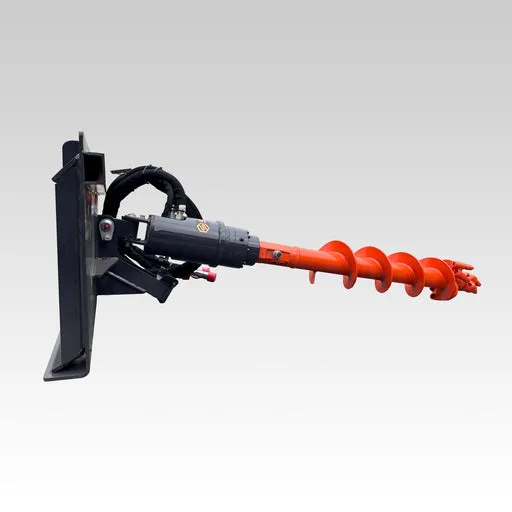
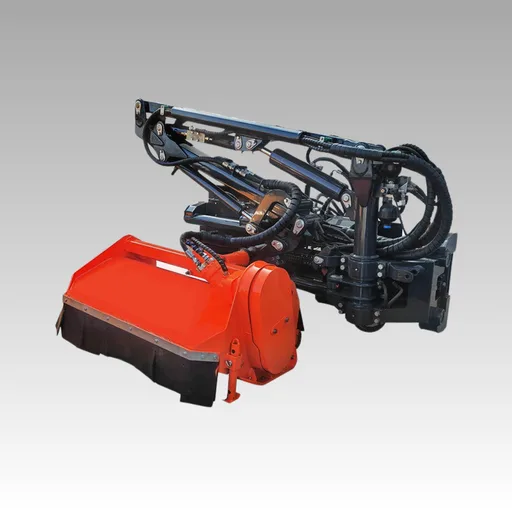
Hydraulic quick couplers on skid steers are widely used in landscaping, construction and rental fleets. Confirm coupler model and hydraulic flow specification when ordering powered attachments (augers, grapples, brush cutters) in addition to mechanical mounting compatibility.
Excavator Quick Hitch Compatibility
Excavator quick hitches (couplers) are machine-specific and tonnage-class-specific. A hitch designed for a 20-tonne excavator cannot be used on a 5-tonne machine. Attachment mounting dimensions are defined by the hitch specification, not the excavator dipper directly. When ordering excavator attachments for a quick hitch-equipped machine, provide the hitch brand, model and tonnage class.
How to Confirm Compatibility Before Ordering
Follow this checklist for every attachment order:
Identify machine brand, model and serial number.
Determine coupler type — pin-on, mechanical quick coupler or hydraulic quick coupler.
If quick coupler fitted, record coupler brand and model.
Measure or obtain pin centre dimensions, pin diameter and wedge measurements.
Photograph the mounting area with the existing attachment installed (if available).
Share all data with your supplier and request written compatibility confirmation before payment.
Reputable suppliers will confirm compatibility against machine data and coupler specifications as part of the quoting process. If a supplier cannot or will not confirm compatibility, treat this as a risk signal.
Common Compatibility Errors
Assuming same-brand fitment — even within the same manufacturer, pin centres vary between machine size classes and production years.
Ignoring coupler weight — adding a quick coupler reduces effective lifting capacity. Attachments and payloads must be re-rated after coupler installation.
Mixing coupler brands — attachments designed for one coupler brand may not safely fit another, even at similar pin centres.
Using worn coupler pins — worn pins and bushings create play that affects attachment seating and locking engagement. Inspect coupler components before fitting new attachments.
Skipping the locking check — after installing any attachment on a quick coupler, verify the locking mechanism is fully engaged before operating. Perform a visual and physical check of the lock indicator.
When to Request a Custom Mounting Interface
Custom mounting interfaces are required when:
Your machine uses a discontinued or non-standard coupler system.
You are fitting attachments from one brand's specification to a different machine platform.
A quick coupler adapter is needed to bridge two interface standards.
Custom mounting design should be undertaken by the attachment manufacturer with reference to your machine data — not by field modification of standard attachment lugs. Learn about Sibom engineering support for custom mounting interfaces.
Frequently Asked Questions
Can I use any bucket on my loader if the pins look the same size?
No. Pin diameter similarity does not confirm compatibility. Pin centre distance, lug width, wedge dimensions and coupler interface must all match. Fitment errors from visual estimation alone are a common cause of mounting problems and accelerated wear.
What is the ISO 13031 standard for skid steer couplers?
ISO 13031 defines interface dimensions for skid steer loader couplers, including pin locations and wedge geometry. Attachments and couplers designed to this standard are interoperable within the standard's dimensional tolerances. Proprietary coupler systems may deviate from ISO dimensions.
How much lifting capacity do I lose with a hydraulic quick coupler?
Coupler weight typically reduces rated operating capacity by 50–150 kg depending on coupler size. Consult your machine manufacturer's capacity chart with coupler installed. Re-rate all attachment and payload combinations after coupler installation.
Can my supplier confirm compatibility from the machine model alone?
For common machine models and standard coupler types, yes — experienced manufacturers maintain dimensional reference databases. For older machines, modified couplers or cross-brand fitment, physical measurement or photographic confirmation is recommended.
What should I do if an attachment does not fit on delivery?
Do not force fitment or modify mounting lugs in the field. Document the dimensional discrepancy, photograph the mounting interface and contact your supplier immediately. Reputable manufacturers will resolve genuine compatibility errors through replacement or modification.
How do I request compatibility confirmation from Sibom?
Submit your machine brand, model, coupler type and pin dimensions with your attachment enquiry. Compatibility confirmation is provided as part of the Sibom quoting process for all standard and custom attachments.
Next Steps
Coupler compatibility is a technical requirement, not an assumption. Confirm machine data and mounting dimensions before every attachment order — particularly for quick coupler-equipped machines and cross-brand fitment scenarios.
Browse Sibom attachments or contact our team for compatibility confirmation on your machine model.