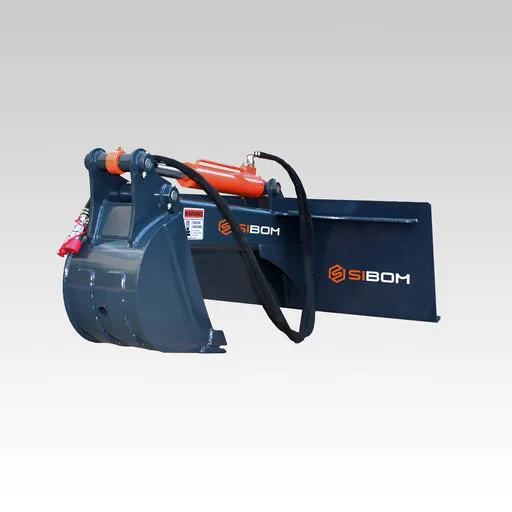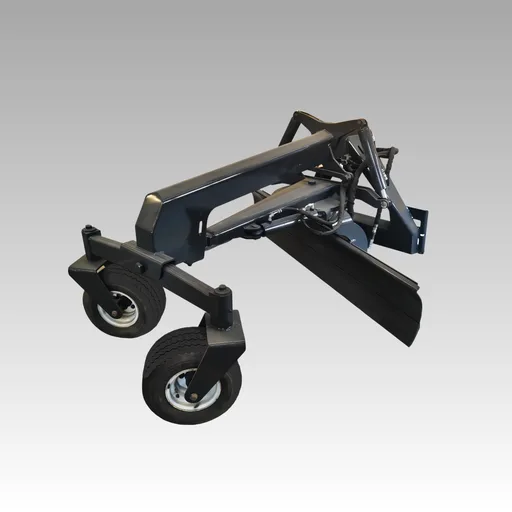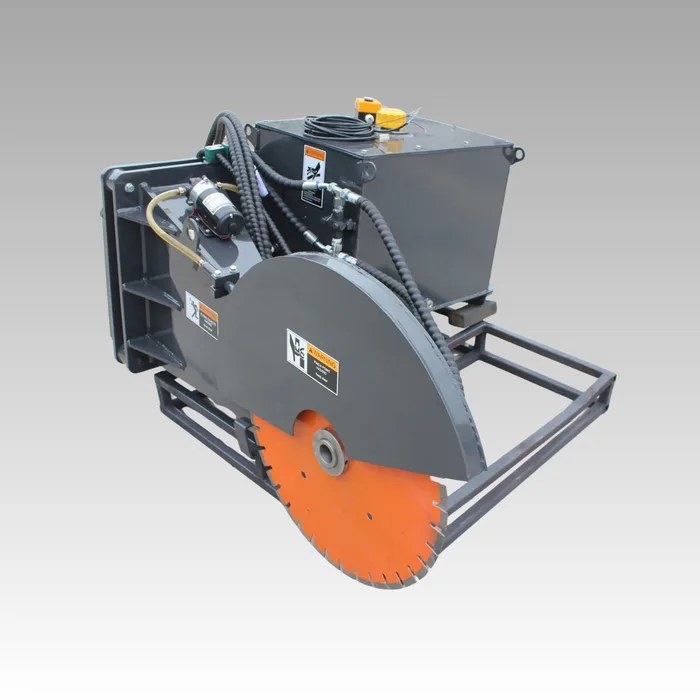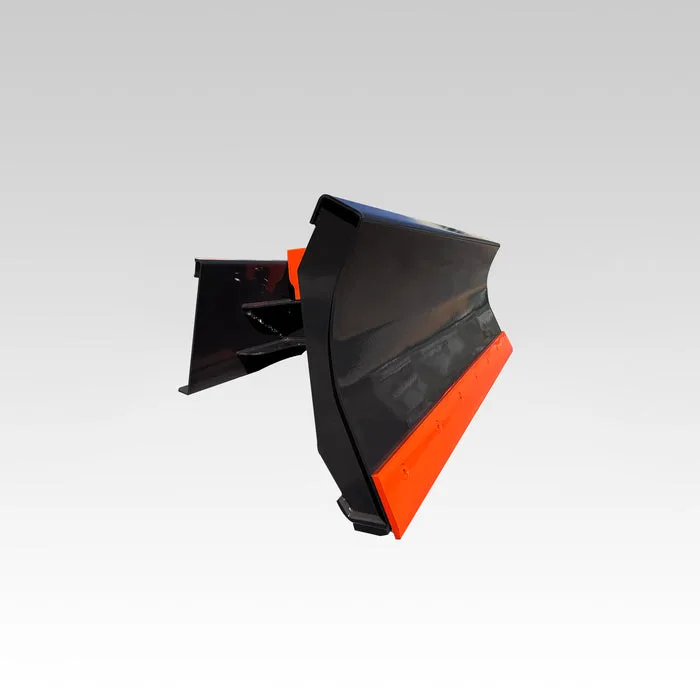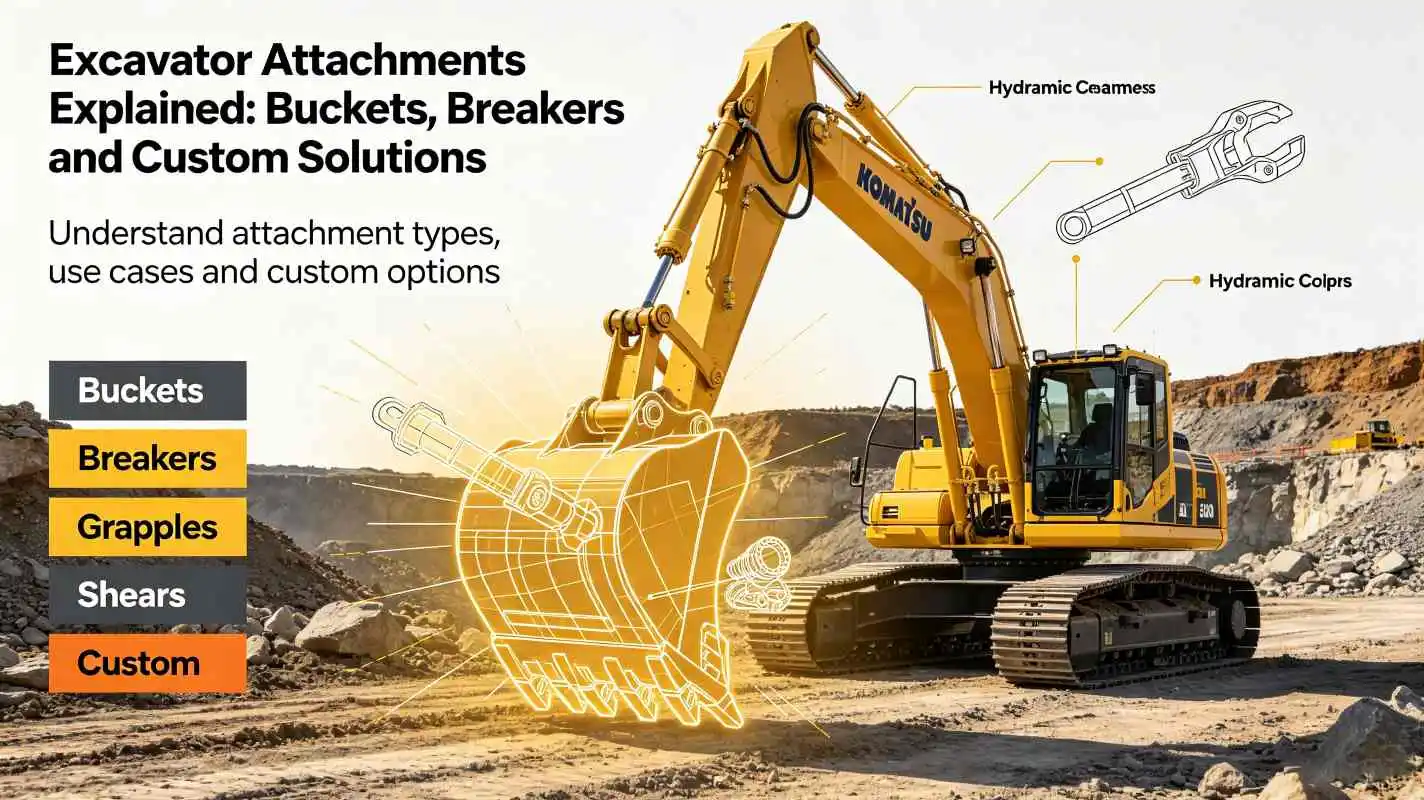
Excavators are among the most widely deployed machines in civil construction, utilities, demolition and material handling. Their versatility is almost entirely determined by the excavator attachments mounted at the end of the dipper arm. Selecting the correct bucket, breaker, grapple or specialty tool affects digging efficiency, machine stress, operator fatigue and project cost.
This guide provides a structured overview of excavator attachment categories, selection criteria and sourcing considerations for contractors and procurement teams.
How Excavator Attachments Are Mounted
Before reviewing attachment types, understand the two primary mounting interfaces:
Pin mounting (direct) — the attachment connects to the dipper link via standard pin centres. Most buckets and static tools use this interface.
Quick hitch / coupler — a hydraulic or mechanical coupler fitted to the dipper allows faster attachment changes and is standard on larger machines and multi-purpose fleets.
Pin centre dimensions (distance between mounting pins), pin diameter and hanger width must match the machine and coupler specification exactly. Even minor dimensional errors prevent safe fitment or cause accelerated pin and bushing wear.
Main Types of Excavator Buckets
Buckets are the most commonly used excavator attachments. Selection depends on material type, digging conditions and required trench or loading profile.
General Purpose (GP) Buckets
GP buckets are the default tool for mixed digging, loading and trenching in soil and general fill. Available in a range of widths to match trench requirements or loading face geometry. Suitable for the majority of civil construction earthworks.
Trenching Buckets
Narrow-profile buckets designed for utility trenching — water, gas, electrical and communications installations. Widths typically range from 300 mm to 600 mm. Reduced width improves digging precision in confined trench lines and reduces the volume of material to be removed and backfilled.
Rock Buckets
Reinforced buckets with heavy plate construction, wear strips and tooth systems for blasted rock, quarry material and abrasive digging conditions. Heavier than GP buckets — confirm machine capacity at the required dig depth before specifying.
Grading and Tilt Buckets
Grading buckets feature a flat profile for finish grading and slope work. Tilt buckets add hydraulic tilt capability for angled grading without repositioning the machine. Both are common in civil finishing and landscaping applications.
Ditch Maintenance and Mud Buckets
Wide, shallow-profile buckets for cleaning drainage channels, ponds and sediment basins. Used in municipal maintenance, agricultural drainage and environmental rehabilitation projects.
Hydraulic Breaker Attachments
Hydraulic breakers (hammers) mount via a dedicated breaker bracket or quick hitch and are powered by the excavator's auxiliary hydraulic circuit. They are used for concrete demolition, rock breaking and asphalt removal.
Key selection factors:
Carrier weight class — breaker size must be matched to excavator tonnage. Undersized breakers lack impact energy; oversized units stress the carrier structure and hydraulic system.
Flow and pressure — hydraulic input must match the breaker specification. Flow control valves may be required on machines with high auxiliary flow.
Mounting bracket — breaker brackets are machine-specific. Confirm pin centres and bracket geometry for your excavator model.
Tool type — moil, chisel and blunt tools serve different breaking applications. Moil points penetrate concrete; blunt tools are used for rock breaking.
Grapples, Thumbs and Material Handling Tools
Hydraulic Thumbs
Thumbs fitted to the dipper or bucket provide a clamping action for handling logs, pipes, structural steel and irregular objects. Mechanical and hydraulic thumb options are available. Hydraulic thumbs offer greater clamping force and operator control.
Grapples
Excavator-mounted grapples handle demolition debris, scrap, brush and bulk material loading. Rotating grapples add 360-degree rotation for precise placement. Grapple jaw configuration — tine spacing, jaw opening and cylinder force — should match the primary load type.
Rippers
Rippers break up compacted soil, soft rock and asphalt in preparation for bucket excavation. Single-shank rippers concentrate force for penetration; multi-shank rippers cover wider areas in softer conditions.
Matching Excavator Attachments to Your Application
Attachment selection should follow a defined process:
Identify the primary task — digging, breaking, loading, grading or material handling.
Confirm excavator model, operating weight, dig depth and auxiliary hydraulic specification.
Define material type and abrasion/impact level.
Specify coupler or pin mounting interface.
Select wear package and tooth system based on duty level.
For demanding applications, review our guide on heavy duty attachments for construction equipment.
Custom Excavator Attachments
Standard catalogue attachments suit most applications. Custom designs are warranted when:
Machine pin centres do not match standard catalogue options.
Specialised bucket geometry is required for a defined trench profile or loading application.
Integrated tool combinations (e.g. bucket with built-in thumb) are needed for operational efficiency.
OEM branding or specification requirements apply for dealer product lines.
Sibom engineering and manufacturing capabilities support custom excavator attachment development from concept through production.
Frequently Asked Questions
How do I determine the right bucket width for trenching?
Bucket width should match the required trench width plus allowance for working clearance. Standard utility trenches for pipe and cable installation typically use 300–450 mm buckets. Confirm minimum trench width requirements with the project specification before ordering.
Can I use the same bucket across different excavator sizes?
Only if pin centres, pin diameter and hanger dimensions are identical across the machines. Bucket volume and weight must also be appropriate for each machine's capacity. Cross-machine bucket sharing is common within a fleet of the same tonnage class but should not be assumed across different size classes.
What hydraulic flow does an excavator breaker require?
Breaker flow requirements range from 50 L/min on small breakers to 150+ L/min on heavy-class units. Match the breaker to the excavator's auxiliary hydraulic specification. Installing an oversized breaker on an underpowered circuit reduces impact performance and risks hydraulic overheating.
What is the difference between a quick hitch and a direct pin bucket?
A quick hitch (coupler) fitted to the dipper allows the operator to change attachments without manual pin removal. Direct pin mounting is simpler and lighter but requires manual tool changes. Quick hitches add weight to the dipper and reduce available lifting capacity slightly.
How often should excavator bucket teeth be replaced?
Replacement frequency depends on material abrasiveness and operating hours. In general soil digging, teeth may last 400–600 hours. In rock or demolition conditions, replacement may be required every 100–200 hours. Inspect teeth daily and replace when wear reduces digging efficiency or exposes the adapter block.
Does Sibom manufacture custom excavator attachments?
Yes. Sibom produces standard and custom excavator buckets, rippers, thumbs and grapples against supplied machine data. Submit your excavator model and application details for a specification and quotation.
Next Steps
Excavator attachment selection is a technical procurement decision. Confirm machine data, define your primary application and specify wear requirements before ordering. For multi-tool fleets, invest in a compatible quick hitch system to reduce changeover time on site.
Browse excavator attachments or contact Sibom Industry for specification support.