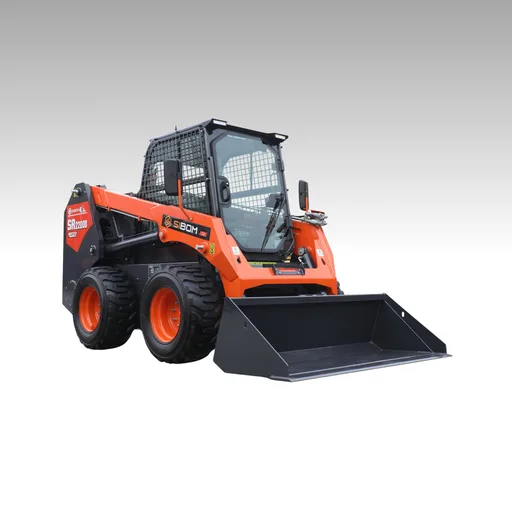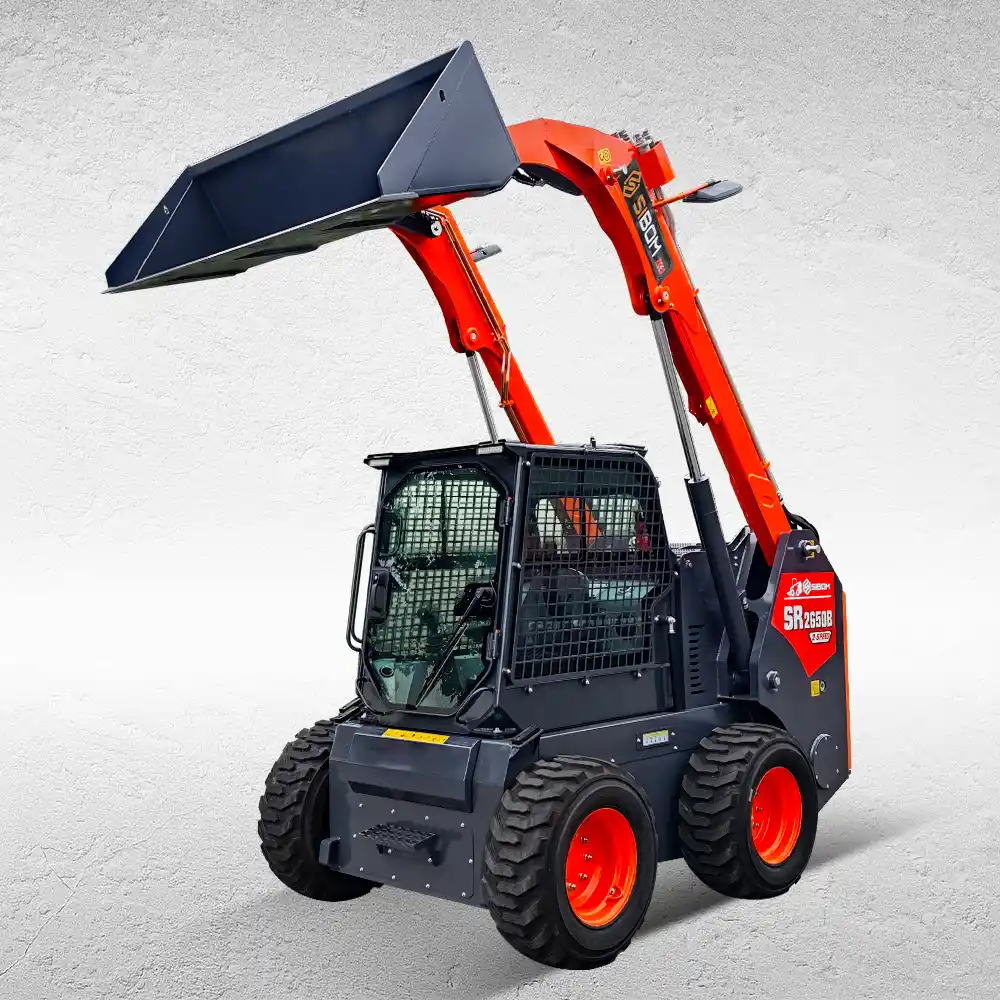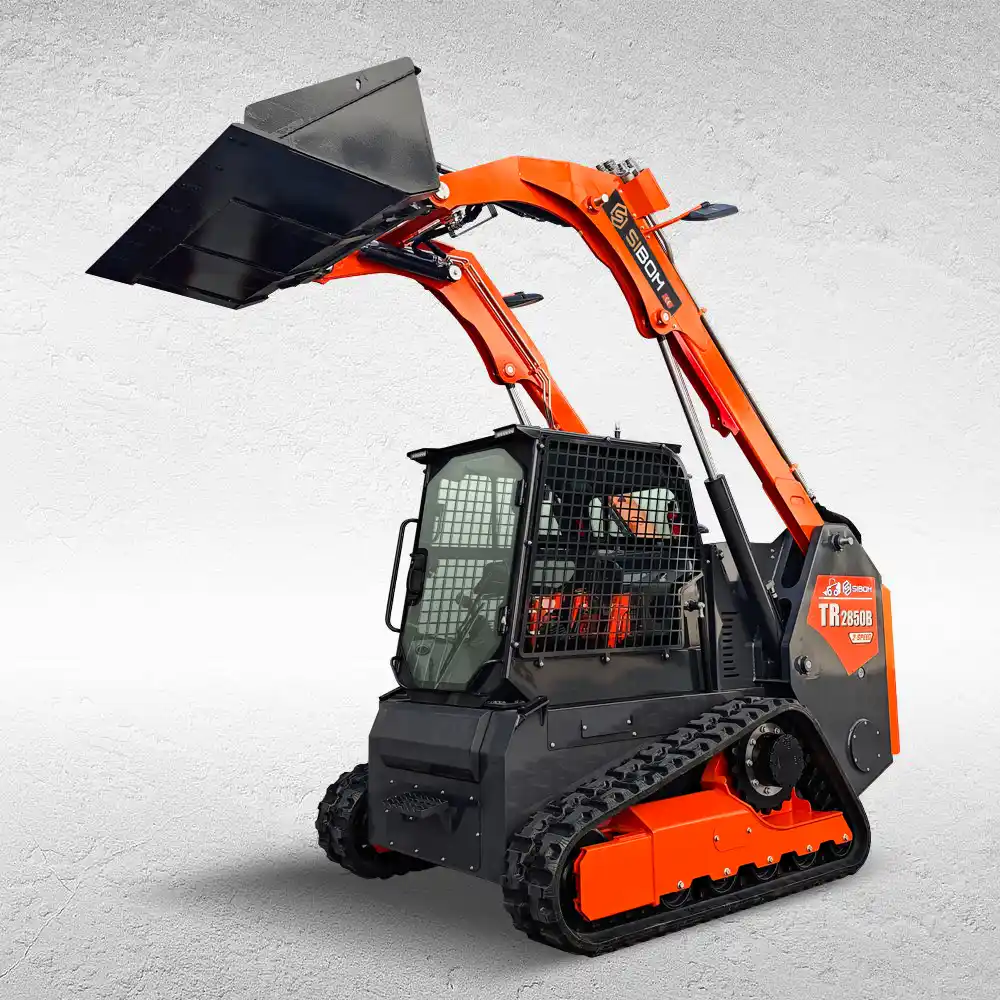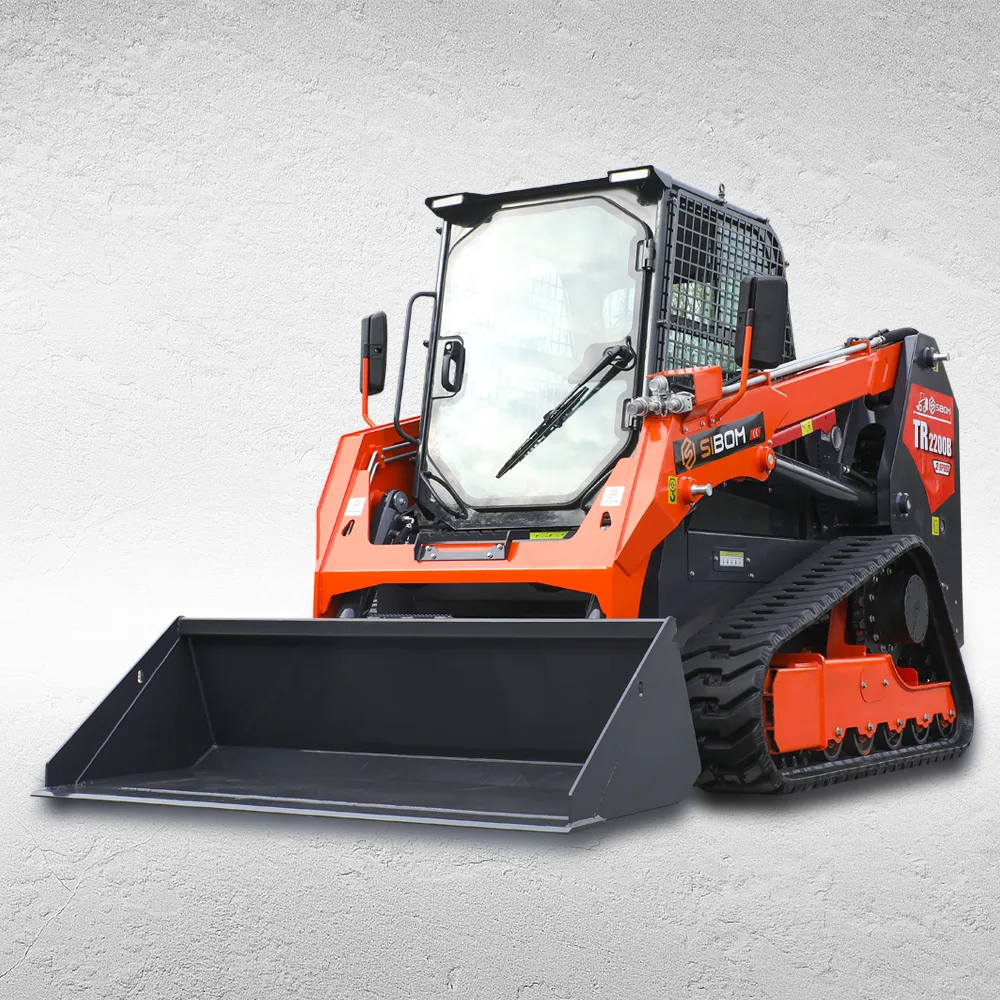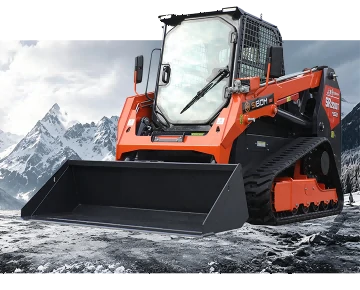
Australian contractors often start a loader purchase with one question: should we buy a wheeled skid steer or a compact track loader (CTL)? Both machines share the same basic idea — a compact, articulated work platform that swaps buckets, forks, brooms, mulchers and other tools — but they behave very differently on soft ground, hardstand, rural tracks and long site-to-site moves.
This guide is written for Australian buyers who need a practical decision framework, not a brochure comparison. It covers traction, flotation, travel speed, operating cost, attachment performance and the site conditions that usually decide the result. If you are also reviewing product ranges, start with Sibom’s compact loaders and then match attachments to your primary application.
Quick Answer: Which Loader Wins in Australia?
There is no universal winner. Use this shortcut:
- Choose a wheeled skid steer when you spend most of the day on firm ground, paved yards, hardstand, farm lanes in dry weather, or urban sites where you need faster travel between tasks and lower track-related maintenance.
- Choose a compact track loader when soft soil, sand, wet pasture, landscaping beds, forestry clearing or low ground-pressure work is your daily reality — and when flotation and traction matter more than road speed.
- Buy for the 70% job, not the 5% exception. If 70% of your hours are on firm surfaces, wheels usually deliver better total cost of ownership. If 70% of hours are on soft or uneven ground, tracks usually repay the premium.
What Australian Buyers Mean by “Skid Steer” and “CTL”
In Australian dealer and contractor language, “skid steer” usually means a wheeled compact loader that turns by skidding or counter-rotating the left and right drive sides. A compact track loader (sometimes called a positrack or rubber-tracked skid steer) uses rubber tracks instead of tyres. Both accept the same style of skid-steer quick hitch and can run many of the same attachments when hydraulic flow, pressure and coupler geometry match.
That shared attachment ecosystem is why the machine choice matters so much. The wrong carrier can under-utilise a high-flow mulcher, struggle with a heavy tree spade, or chew through tyres or tracks on the wrong surface. The right carrier makes everyday tools — buckets, grapples, brooms, forks — feel faster and more controllable.
Ground Conditions Across Australian Job Sites
Australia is not one job site. Coastal sand, clay after rain, alpine snow yards, quarry hardstand and dry inland paddocks all punish machines differently.
Firm Ground, Hardstand and Urban Work
On concrete, compacted gravel, asphalt and dry clay, wheeled skid steers typically move faster between piles, trucks and stock areas. Tyres create less surface marking than tracks on finished hardstand, which matters for councils, commercial builders and logistics yards. Municipal cleanup, warehouse yards and many construction compounds favour wheels for this reason. Related tools often include brooms and sweepers in municipal maintenance and buckets or breakers in construction equipment.
Soft Soil, Pasture, Landscaping and Land Clearing
Soft or wet ground is where CTLs usually pull ahead. Rubber tracks spread machine weight over a larger footprint, reducing rutting and improving flotation. Landscapers transplanting trees, rural contractors working after rain, and land-clearing crews running mulchers often prefer tracks for stability and continuous traction. For vegetation and clearing tools, see forestry and landscaping attachments.
Livestock Yards and Farm Work
Australian farms mix firm laneways with soft pens, feed pads and open paddocks. Many operators still choose wheeled machines for daily feed handling because travel between sheds is quicker and tyre replacements are easier to source. Others specify tracks where muddy yards or soft river flats are unavoidable. Attachment choices often sit in livestock and ranching — grapples, forks and bale tools.
Traction, Stability and Operator Control
Tracks generally deliver more continuous contact with the ground. That helps when pushing into a pile, holding a grade on a slope, or running a side-loaded attachment such as a boom mower or cold planer. Wheels can still work well on firm ground, but they may spin earlier on loose gravel or wet clay, increasing tyre wear and reducing push force.
Stability also affects attachment confidence. A tracked machine often feels planted when holding a hydraulic breaker, tree spade or forestry mulcher at the edge of a slope. A wheeled machine can feel quicker and more agile in tight yards where constant repositioning matters more than maximum push.
Travel Speed, Road Moves and Daily Productivity
Wheeled skid steers usually travel faster on firm surfaces. If your crew relocates the machine several times a day across a large site — from stockpile to trench to truck — those extra kilometres add up. Tracked machines are often slower on hard ground and may need a float or truck for longer road moves, which changes logistics cost.
Ask a simple operations question before buying: How many minutes per day does this machine spend travelling empty versus working under load? High empty-travel time favours wheels. High loaded digging, clearing or pushing time often favours tracks.
Operating Cost: Tyres vs Tracks
Purchase price is only the first number. Over three to five years, wear parts and downtime often decide which platform is cheaper.
- Wheeled machines: tyre cost is usually lower per replacement event, and local tyre options are widely available. Aggressive spinning on abrasive rock or sharp demolition debris can still destroy a set quickly.
- Tracked machines: rubber tracks and undercarriage components cost more to replace, but they can last longer when the machine stays on soft ground and operators avoid high-speed hard-surface travel.
- Wrong-surface penalty: running tracks all day on hot asphalt or sharp quarry rock accelerates wear. Running wheels all day in deep mud accelerates spinning, heat and sidewall damage.
Total cost of ownership improves when the undercarriage matches the dominant surface — not when the machine is forced to work against its design.
Attachment Performance: Flow, Weight and Hitch Fit
Both platforms can run standard and high-flow attachments if the hydraulic package matches. Before ordering any powered tool, confirm:
- auxiliary flow (L/min) and pressure
- whether a case drain is required
- quick-hitch geometry and locking style
- rated operating capacity after attaching the tool
- electrical connectors for any controlled functions
Heavier attachments — large mulchers, tree spades, some planers — reward a stable carrier with enough lift capacity and hydraulic reserve. Lighter tools such as forks, general buckets and many grapples work well on either platform when the hitch and capacity are correct. If you are unsure, send machine model, flow data and the intended duty cycle when you request a quote.
Decision Checklist for Australian Buyers
Use this checklist in dealer conversations or tender evaluations:
- Primary surface: firm hardstand, mixed rural, or soft/wet ground?
- Primary tasks: loading and carrying, grading, clearing vegetation, municipal cleaning, farm material handling, or demolition support?
- Travel pattern: mostly stationary work zones, or frequent relocation across a large site?
- Attachment list: which three tools will account for most operating hours in year one?
- Hydraulic package: standard flow or high flow? Any case-drain attachments planned?
- Transport: will the machine self-drive between nearby sites, or always float?
- Operator preference: who will run it daily, and what have they used before?
- Service access: local support for tyres versus track undercarriage in your region?
Write the answers down before comparing price lists. Two quotes with the same dollar figure can deliver very different productivity if one machine fights the site conditions.
Common Buying Mistakes
- Buying tracks for image, then working on concrete all day. Undercarriage wear rises and travel speed falls.
- Buying wheels for soft pasture because they are cheaper up front. Spinning, rutting and missed days after rain can erase the saving.
- Ignoring attachment weight. A machine that looks capable on paper can become tippy or underpowered once a heavy tool is fitted.
- Matching hitch brand by assumption. Confirm coupler dimensions and locking style for every carrier and attachment combination.
- Ordering high-flow tools for a standard-flow machine. Performance disappointment is almost guaranteed.
Where Sibom Fits for Australian Operators
Sibom Industry supplies skid steer and compact track loaders together with attachments for construction, forestry, municipal, livestock and winter work. Australian buyers can review machine options first, then build an attachment package around the real duty cycle rather than buying tools one by one after the carrier arrives.
If you are still deciding between wheeled and tracked platforms, share your main surfaces, daily travel pattern and top three attachments. That information is enough to recommend a practical configuration and a compatible attachment set without over-specifying hydraulics or undercarriage.
FAQ: Wheeled Skid Steer vs Compact Track Loader in Australia
Is a compact track loader better than a skid steer in Australia?
It is better on soft, uneven or wet ground where flotation and traction matter. On firm yards and hardstand with frequent repositioning, a wheeled skid steer is often more productive and cheaper to run.
Can both machines use the same attachments?
Many attachments share skid-steer style quick hitches, but you must still confirm coupler geometry, hydraulic flow, pressure, case drain and lift capacity for each machine and tool combination.
Which is better for landscaping and land clearing?
Compact track loaders are often preferred for soft beds, slopes and continuous clearing work. Wheeled machines can still work well on firmer landscaping sites with shorter travel loops.
Which is better for municipal and yard work?
Wheeled skid steers are commonly chosen for paved areas, depots and cleanup routes because they travel faster on hard surfaces and are gentler on finished hardstand than tracks.
What information should I send to get an accurate quote?
Send the intended surfaces, main attachments, preferred wheeled or tracked layout if known, hydraulic flow if you already own a carrier, delivery state or port, and any coupler constraints. That short brief prevents wrong-fit orders.
Ready to compare configurations for your sites? Browse Sibom compact loaders or contact the team with your application details for a recommendation and quote.