Wheel loaders are workhorses on construction, quarry and material handling sites. The productivity of these machines is directly tied to the wheel loader attachments fitted at the front end. Selecting the right tool — and ensuring it is correctly matched to your machine — affects loading efficiency, fuel consumption, component wear and site safety.
This guide covers the main attachment categories used in construction applications, the factors that influence selection, and practical considerations for operators and procurement teams in Australia, New Zealand and global markets.
What Are Wheel Loader Attachments Used for in Construction?
On construction sites, wheel loaders perform three core functions: moving material, supporting other operations through stockpile management, and handling demolition or recycling waste. Each function requires a different attachment configuration.
Earthmoving and Loading
The primary role of a wheel loader on most construction sites is loading trucks, hoppers and conveyors. General-purpose and rock buckets are the standard tools for this work. Bucket capacity should be matched to material density — a bucket that is correctly sized for crushed aggregate may be oversized for lighter materials such as mulch or insulation fill.
Stockpile Management
Loaders are frequently used to build, maintain and reclaim stockpiles of aggregate, sand, recycled material and fill. Wide-profile buckets and good operator visibility are important for precise stockpile shaping. In high-throughput environments, cycle time — the combined time to load, travel, dump and return — is the key performance metric.
Demolition and Recycling Support
On demolition and recycling sites, loaders handle mixed waste, concrete fragments, scrap metal and timber. Grapples and heavy-duty buckets with reinforced structures are preferred over standard GP buckets, which wear quickly when handling abrasive or impact-loaded materials.
Main Types of Wheel Loader Attachments
Understanding the purpose and limitations of each attachment type is the foundation of effective fleet configuration.
Standard and Rock Buckets
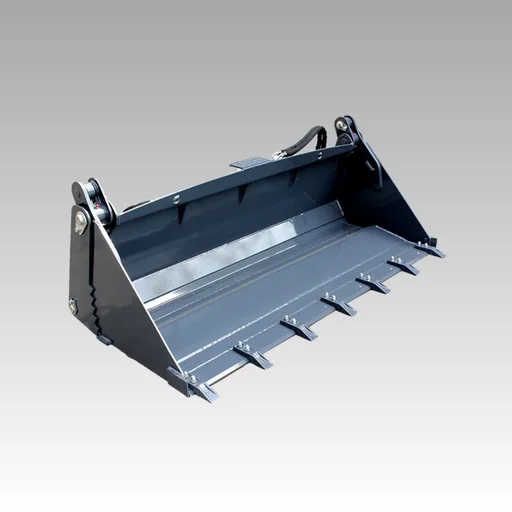
Standard general-purpose buckets are suitable for everyday loading of sand, gravel and mixed fill. Rock buckets feature a heavier shell, thicker base plate and reinforced cutting edge designed for quarry aggregate, blasted rock and other high-impact materials. Explore loader buckets matched to your machine tonnage and coupler type before specifying edge and tooth packages.
Pallet Forks and Material Handling Frames
Pallet forks convert a wheel loader into a high-capacity forklift for yard and site logistics. Fork length, frame width and load backrest configuration should match the typical pallet and load dimensions handled on site. For block, paver and packaged building material handling, forks are significantly more efficient than attempting the same task with a bucket.
Grapples and Log Forks
Grapples provide positive retention for irregular loads — demolition debris, scrap, logs and brush. Log forks are a simpler alternative for round timber handling. Grapple selection depends on jaw opening, tine spacing and hydraulic force relative to the load type.
Snow Blades and Specialty Tools
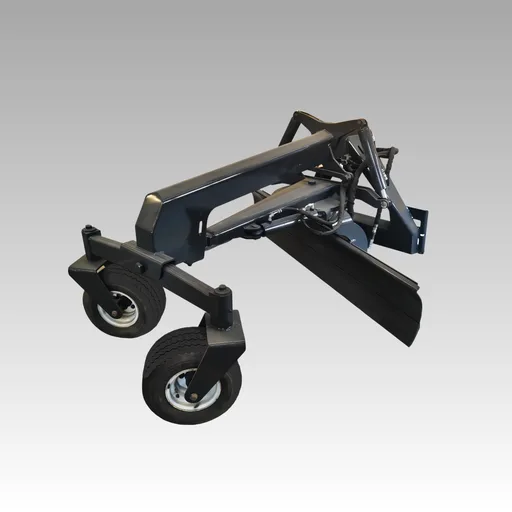
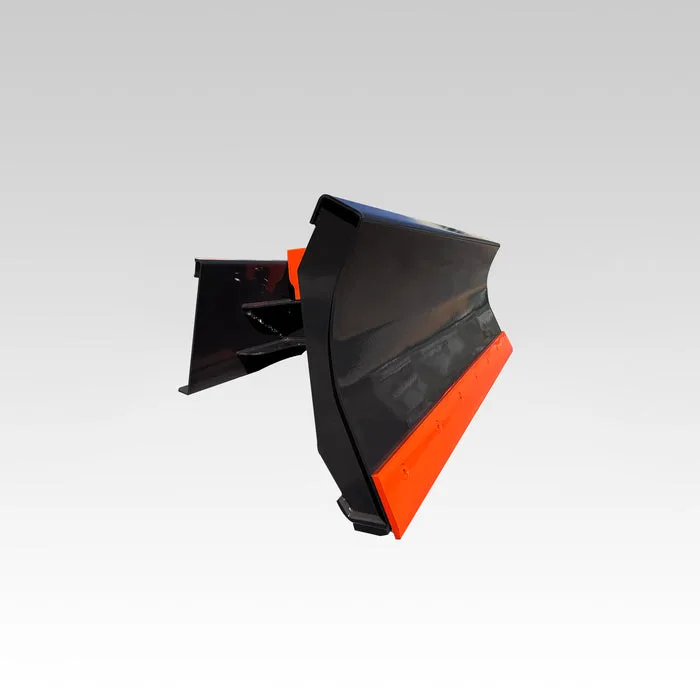
While less common in Australian and New Zealand construction, snow blades, sweepers and specialty tools extend loader utility in municipal and seasonal applications. These are typically specified against defined duty cycles rather than general construction loading.
How to Select the Right Loader Attachment
Attachment selection should follow a structured review of machine data, application requirements and site conditions.
Loader Tonnage and Bucket Capacity
Loader rated operating capacity determines the maximum safe payload. Bucket volume must be considered alongside material density. A 3 m³ bucket of dry sand and a 3 m³ bucket of blasted rock represent very different weights. Overloading reduces stability, increases tyre wear and accelerates structural fatigue on loader arms and coupler components.
Pin-On vs Quick Coupler Systems
Pin-on mounting provides a rigid, cost-effective connection and is common on machines dedicated to a single attachment type. Quick coupler systems allow faster tool changes and are valuable for fleets that switch between buckets, forks and grapples within a single shift. When ordering attachments for quick coupler machines, confirm compatibility with the specific coupler brand and model — not just the loader brand.
Cutting Edge and Wear Package Options
Cutting edges and wear plates are consumable components that significantly affect operating cost. Options include standard carbon steel edges, heat-treated edges and bolt-on tooth systems for rock applications. Specify wear packages based on the most abrasive material the attachment will routinely handle, not occasional peak conditions.
Performance Factors on Australian Construction Sites
Construction sites across Australia and New Zealand present specific challenges that influence attachment specification.
Abrasive Materials and High-Wear Environments
Quarries, recycling yards and road construction sites expose attachments to continuous abrasive wear. In these environments, plate thickness, edge hardness and weld quality matter more than bucket volume alone. Heavy-duty specifications with replaceable wear components typically deliver lower total cost of ownership over a 12–24 month operating period.
Cycle Time and Loading Efficiency
Loading efficiency is influenced by bucket fill factor, dump speed and operator technique. A bucket that is too wide for the loading face may not achieve full fill; a bucket that is too narrow increases the number of cycles required per truck load. Review loading geometry at your typical material sources before finalising bucket dimensions.
Wheel Loader Attachments vs Skid Steer Attachments: When to Use Each
Wheel loaders and skid steers overlap in some applications but serve different operational roles on most construction sites.
Wheel loaders are preferred for high-volume loading, long travel distances and working with larger stockpiles. Skid steers excel in confined spaces, multi-tool workflows and sites requiring frequent attachment changes. For contractors running both machine types, attachment procurement should be planned separately — coupler systems, hydraulic requirements and optimal tool types differ between platforms.
For skid steer selection guidance, see our article on how to choose skid steer attachments.
Sourcing Wheel Loader Attachments from an OEM Manufacturer
Procurement teams sourcing attachments for fleet replacement, dealer inventory or project-specific requirements should evaluate suppliers against consistent criteria.
Quality Inspection and Documentation
Request material certificates, dimensional inspection reports and weld inspection records for bulk orders. Pre-shipment fitment checks against your coupler specifications reduce the risk of compatibility issues on delivery.
Bulk Supply for Dealers and Fleet Operators
Dealers and fleet operators benefit from consistent product specifications across order batches. Working with an OEM manufacturer provides greater control over design standards, branding and ongoing supply than sourcing from multiple trading intermediaries.
Review Sibom manufacturing processes and quality standards when evaluating long-term supply partnerships.
Frequently Asked Questions
What wheel loader attachment is best for loading aggregates?
A rock bucket or heavy-duty general-purpose bucket with a bolt-on tooth system is typically the best choice for aggregate loading. Specify cutting edge hardness and base plate thickness based on the most abrasive material in your operation.
How do I calculate the right bucket capacity for my loader?
Start with the loader's rated operating capacity at the relevant lift height. Divide by material density to determine maximum safe volume. Apply a fill factor (typically 0.85–1.0 depending on material) to arrive at the practical bucket capacity.
Can wheel loader attachments fit different machine brands?
Attachments are designed against specific pin centre dimensions and coupler interfaces. Cross-brand fitment is possible when dimensional data matches, but should be confirmed with the supplier using machine model and coupler specifications — not assumed from bucket appearance alone.
What is the difference between standard and heavy-duty loader buckets?
Heavy-duty buckets use thicker plate, reinforced shell structures and upgraded cutting edges for abrasive and impact-loaded materials. Standard buckets are lighter and more cost-effective for general fill and low-abrasion loading.
How long do wheel loader cutting edges typically last in quarry applications?
Service life depends on material abrasiveness, operating hours and edge material specification. In active quarry loading, standard carbon edges may require replacement every 200–400 hours. Hardened or bolt-on tooth systems extend this interval significantly.
Does Sibom offer custom wheel loader attachments for specific machine models?
Yes. Sibom manufactures standard and custom wheel loader attachments against supplied machine data. Get a quote for your loader model with pin centre dimensions and coupler type for an accurate specification.
Next Steps
Wheel loader attachment selection is a technical decision that affects productivity and operating cost across the full life of the tool. Define your primary loading tasks, confirm machine and coupler data, and specify wear packages against your most demanding material conditions.
Contact Sibom Industry for wheel loader attachment specifications, bulk supply enquiries and OEM manufacturing support.