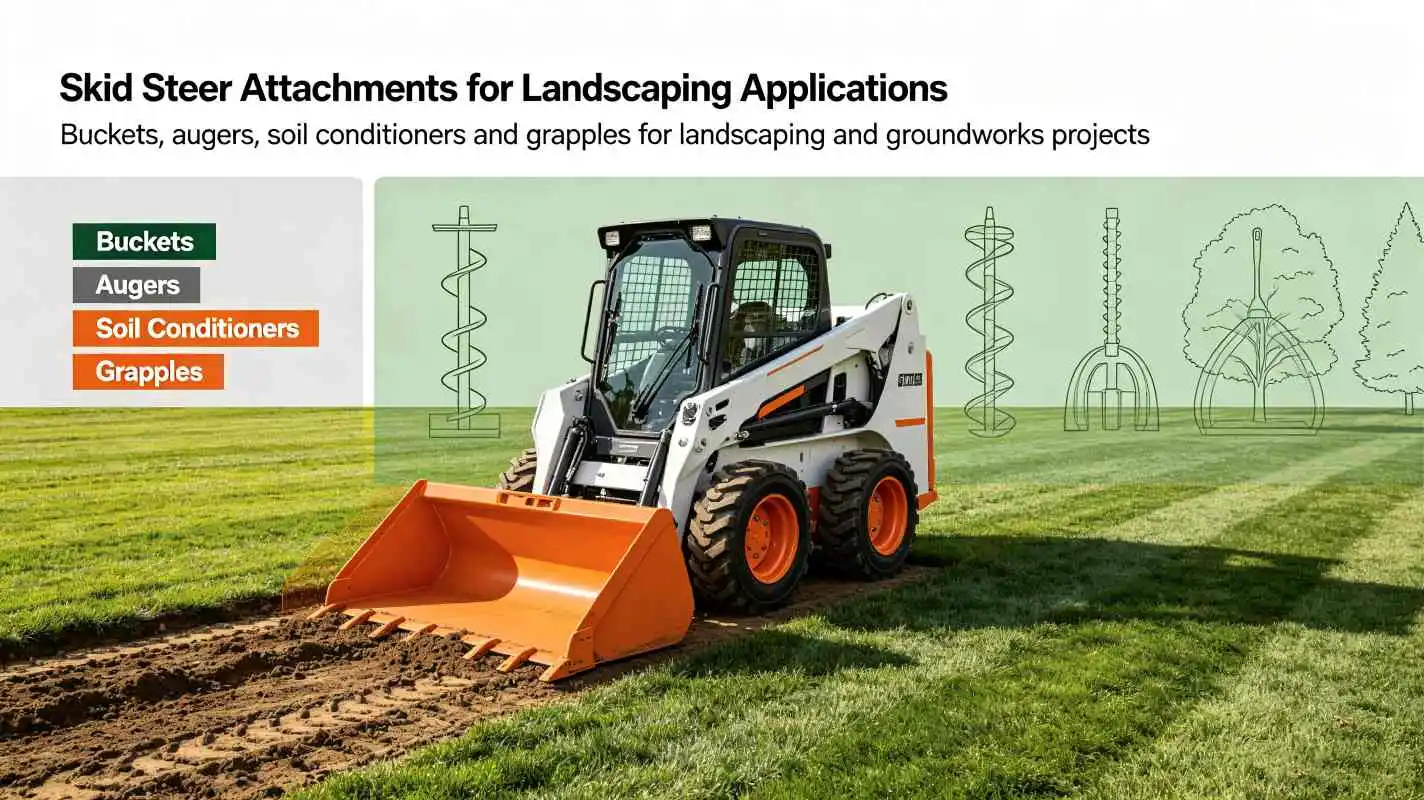
Landscaping and groundworks contractors rely on compact equipment to access residential blocks, commercial developments and municipal sites where larger machines cannot operate efficiently. Skid steer loaders — and their compact track loader equivalents — are the platform of choice, and the right skid steer attachments for landscaping determine how productively each machine performs across a project.
This guide covers the essential attachment types for landscaping applications, how to select tools by project phase, and practical considerations for contractors operating in Australia and New Zealand.
Why Skid Steer Loaders Are Widely Used in Landscaping
Skid steers offer a combination of compact dimensions, manoeuvrability and attachment versatility that suits the varied demands of landscaping work. A single machine can grade, trench, drill, clear vegetation and handle materials — provided it is equipped with the right tools.
Compact Access on Residential and Urban Sites
Residential landscaping, streetscape projects and commercial tenant fit-outs often involve tight access, finished surfaces and proximity to existing structures. Compact loaders access these areas with less ground disturbance than larger equipment. Tracked compact loaders (CTLs) further reduce ground pressure on soft or finished surfaces.
Versatility Across Multiple Groundwork Tasks
A typical landscaping project moves through distinct phases — clearance, grading, soil preparation, planting and finishing. Each phase requires a different attachment. Fleets that invest in a quick coupler system and a core set of landscaping tools reduce the need for multiple dedicated machines on site.
Essential Landscaping Attachments for Skid Steers
The following attachments cover the majority of landscaping and groundworks tasks. Most contractors build a core kit of three to five tools and add specialty attachments for specific service lines.
Landscaping and Multi-Purpose Buckets
Landscaping buckets — sometimes called combination or 4-in-1 buckets — are designed for grading, levelling, grabbing and loading in a single tool. The ability to open the bucket jaw for grading and clamp material for loading reduces tool changes on mixed groundworks projects. Standard GP buckets are a lower-cost alternative where grading precision is less critical.
Auger Drives and Earth Drilling
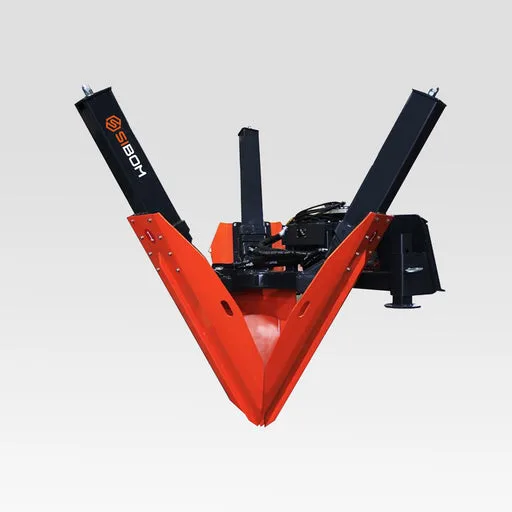
Auger drives are used for fence post holes, sign post foundations, tree planting and utility pole installation. Drive unit torque and bit diameter must be matched to soil conditions. Sandy and loamy soils require less torque than clay, shale or rocky ground common in parts of Australia and New Zealand.
Soil Conditioners and Harley Rakes
Soil conditioners pulverise and mix soil in a single pass, preparing seedbeds and finish grades. Harley rakes and power rakes level and remove debris from soil surfaces. These tools are essential for lawn preparation, sports field construction and commercial landscape finishing where soil texture consistency matters.
Brush Cutters and Mulchers
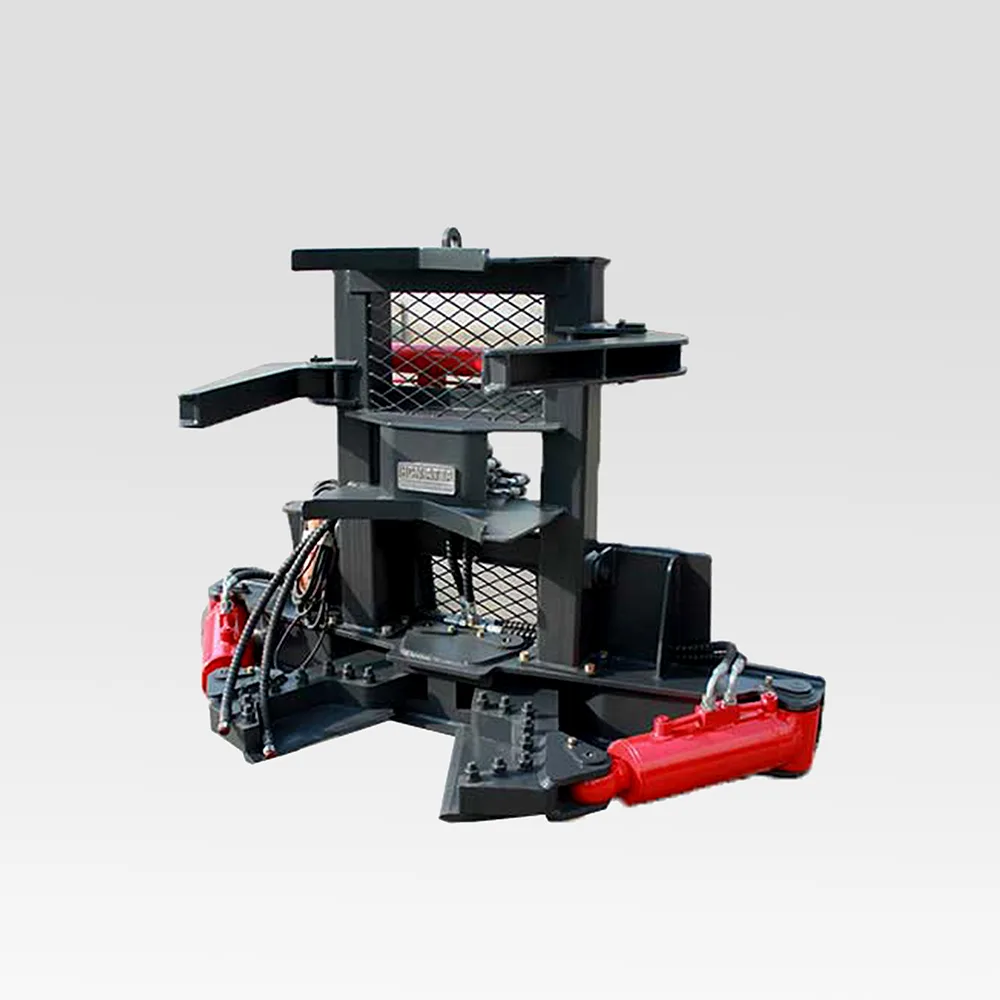
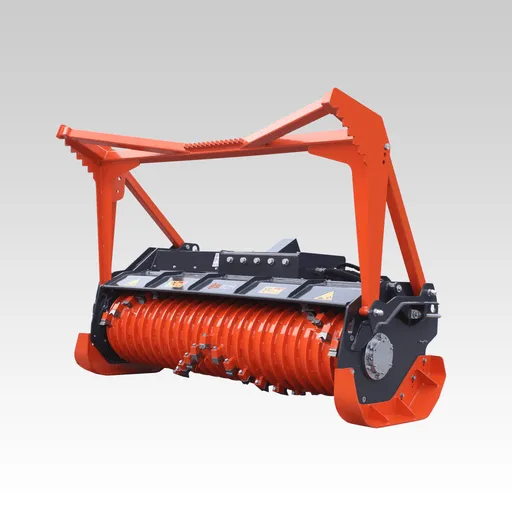
Vegetation clearing attachments — brush cutters, flail mowers and forestry mulchers — handle site clearance before groundworks begin. Hydraulic flow requirements vary significantly between models. Underpowered units in dense vegetation lead to poor cutting performance and elevated hydraulic system stress.
Pallet Forks for Material Delivery
Pallet forks handle delivery of turf rolls, paver pallets, retaining wall blocks, nursery stock and bagged materials. Forks are often the most-used attachment on landscaping projects after the primary groundworks bucket.
View landscaping and groundworks attachments for compact loaders in the Sibom product range.
How to Choose Landscaping Attachments by Project Type
Attachment selection should follow the project scope rather than a generic fleet standard.
Turf Preparation and Grading
Projects involving lawn installation, sports turf or commercial green space require precise grading and soil conditioning. Priority attachments: landscaping bucket or grading blade, soil conditioner and power rake. Confirm machine weight and ground pressure if working on existing turf or sensitive finished surfaces.
Tree Planting and Post Hole Drilling
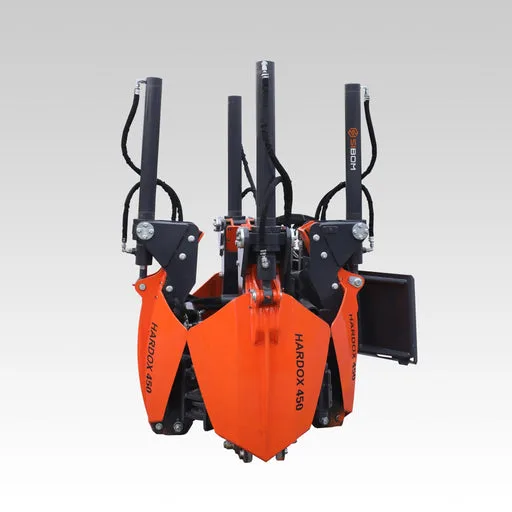
Tree planting programmes and fence installation require consistent hole diameter and depth. Auger drive torque and bit selection are the critical specification factors. For rocky ground, consider a planetary drive unit with higher torque output and heavy-duty bits with replaceable teeth.
Vegetation Clearing and Site Clean-Up
Site clearance before groundworks requires brush cutting or mulching attachments rated for the vegetation density on site. Follow this with a grapple or root rake for debris collection and loading. Match cutting width to site access — wider heads improve productivity on open sites but may be impractical in confined residential access.
Hydraulic and Coupler Requirements for Landscaping Tools
Landscaping attachments span both mechanical (non-hydraulic) and powered (hydraulic) categories. Before ordering, confirm:
Coupler type — pin-on, mechanical or hydraulic quick coupler. Quick couplers are strongly recommended for landscaping fleets that change tools multiple times per day.
Hydraulic flow rate — standard flow (60–80 L/min) or high flow (90+ L/min). Powered attachments must be matched to the machine's auxiliary hydraulic specification.
Case drain requirement — some hydraulic motors require a case drain line. Confirm whether your machine provides this connection before ordering auger drives or mulchers.
Electrical requirements — some attachments require solenoid activation or auxiliary electrical connections. Confirm compatibility with your machine's auxiliary circuit.
Landscaping Attachment Selection for Australian and New Zealand Conditions
Soil types, climate and regulatory environments in Australia and New Zealand influence attachment selection beyond generic international recommendations.
Sandy, Clay and Rocky Soil Types
Coastal sandy soils are generally straightforward for auger drilling but may require wider buckets for efficient loading. Clay soils — common in many Australian eastern regions — increase auger torque requirements and can cause adhesion issues in standard buckets. Rocky ground demands heavy-duty auger bits and may limit the effectiveness of soil conditioners without pre-ripping.
Seasonal Workload and Equipment Utilisation
Landscaping demand in Australia and New Zealand peaks in spring and autumn. Contractors running seasonal operations should plan attachment availability against peak crew numbers rather than average annual utilisation. Rental of specialty attachments for peak periods may be more cost-effective than ownership for low-utilisation tools.
Buying vs Renting Landscaping Attachments
The buy-or-rent decision depends on utilisation frequency and capital allocation.
Buy attachments used on more than 60% of projects — typically GP or landscaping buckets, pallet forks and the primary auger drive.
Rent specialty tools used intermittently — forestry mulchers, large-diameter auger setups and soil conditioners for specific project types.
OEM supply for landscaping contractors building a branded attachment line for resale or long-term fleet standardisation.
For contractors evaluating a long-term attachment investment, speak with our sales team about pricing, lead times and compatibility confirmation for your machine fleet.
Frequently Asked Questions
What is the best skid steer bucket for landscaping and grading?
A combination (4-in-1) landscaping bucket provides the most versatility for mixed groundworks — grading, clamping and loading in one tool. For projects focused primarily on levelling, a dedicated grading bucket or blade attachment offers greater precision.
What size auger do I need for fence post holes?
Standard fence post holes typically require a 200–300 mm diameter bit. Confirm auger drive torque against your soil type — clay and rocky conditions require higher-torque drives than sandy or loamy soil.
Can one skid steer handle multiple landscaping attachments?
Yes. With a hydraulic quick coupler, a single skid steer can switch between buckets, forks, augers and grapples within minutes. This is the standard configuration for professional landscaping fleets.
Are landscaping attachments suitable for compact track loaders?
Most skid steer attachments are compatible with compact track loaders of equivalent operating capacity and coupler specification. Confirm coupler type and hydraulic flow before ordering, as CTL hydraulic systems may differ from wheeled skid steer equivalents on the same brand platform.
What hydraulic flow is required for a brush cutter attachment?
Brush cutters typically require 60–90 L/min at 200+ bar. High-flow machines (90+ L/min) suit heavier mulching heads. Check the attachment manufacturer's minimum and maximum flow specification against your machine's auxiliary hydraulic rating.
How do I order landscaping attachments for my skid steer model?
Provide your machine brand, model, operating capacity, coupler type and hydraulic flow specification. Contact Sibom Industry for compatibility confirmation and a quotation. Learn more about Sibom attachment manufacturing for bulk and OEM supply.
Next Steps
Landscaping productivity depends on matching the right attachment kit to your project mix, machine specifications and local ground conditions. Start with a core set of bucket, forks and auger drive, then add specialty tools as your service lines expand.
Request a landscaping attachment recommendation from Sibom Industry for your skid steer or compact track loader fleet.