Finding a reliable OEM attachment manufacturer is one of the most consequential supply chain decisions for equipment dealers, rental fleets and project contractors sourcing attachments at volume. The right manufacturing partner provides consistent quality, engineering support and predictable lead times. The wrong choice leads to fitment problems, warranty disputes and supply interruptions that directly affect customer relationships.
This guide explains what global buyers — particularly those in Australia, New Zealand and other export markets — should evaluate when assessing an attachment manufacturer for OEM supply, private label programmes or custom engineering projects.
What Is OEM Attachment Manufacturing?
OEM (Original Equipment Manufacturer) attachment manufacturing refers to the production of attachments by a specialist fabricator for sale under another company's brand or as part of that company's equipment offering. The OEM partner handles design, fabrication, quality control and delivery while the buyer manages distribution, customer relationships and after-sales service.
OEM vs ODM vs Private Label Supply
These terms are often used interchangeably but describe different relationships:
OEM supply — the manufacturer produces to the buyer's specification and branding requirements.
ODM (Original Design Manufacturer) — the manufacturer provides the design; the buyer selects from existing product platforms and applies branding.
Private label — the buyer sells a manufacturer's catalogue product under their own brand, typically with minimal design modification.
Understanding which model you need determines the level of engineering involvement, tooling investment and intellectual property arrangement required at the outset.
Who Typically Needs an OEM Attachment Partner
OEM manufacturing relationships are most common among:
Equipment dealers building a branded attachment line for their customer base.
Rental fleets standardising attachments across multiple machine types and locations.
International distributors sourcing cost-effective supply from established manufacturing regions.
Project contractors requiring custom attachments for specific machine fleets or site conditions.
Key Capabilities to Evaluate in an Attachment Manufacturer
Not all fabrication workshops are equipped for consistent OEM attachment production. Buyers should assess the following capabilities before committing to a supply agreement.
Engineering and Design Support
A capable OEM partner provides engineering input on material selection, structural design and fitment compatibility — not just fabrication to a supplied sketch. Look for manufacturers with in-house design capability who can review your machine data, propose structural improvements and produce drawings for approval before production begins.
Fabrication, Welding and Machining Capacity
Attachment manufacturing requires heavy-plate cutting, precision welding, machining of pin bosses and hinge points, and assembly of hydraulic components where applicable. Assess the manufacturer's equipment list, welder qualifications and daily production capacity relative to your anticipated order volumes.
Quality Control and Testing Procedures
Consistent quality across production batches is essential for dealer reputation and fleet reliability. Minimum quality expectations should include incoming material inspection, in-process weld checks, dimensional verification against approved drawings and pre-shipment fitment or function testing.
Supply Chain and Lead Time Management
Raw material availability, production scheduling and export logistics all affect lead times. Request realistic lead time data based on your order size and specification complexity — not best-case estimates. For ongoing supply agreements, agree on reorder lead times and safety stock arrangements for high-volume SKUs.
Product Range Considerations
An OEM partner's product range should align with your market requirements and machine types.
Wheel Loader Attachments
Buckets, forks, grapples and specialty tools for medium and large-frame loaders. Confirm the manufacturer can produce across your required tonnage range and coupler interfaces.
Skid Steer Attachments
Compact loader tools including buckets, forks, grapples and hydraulic implements. Compatibility with multiple coupler standards is important for dealer product lines serving mixed fleets.
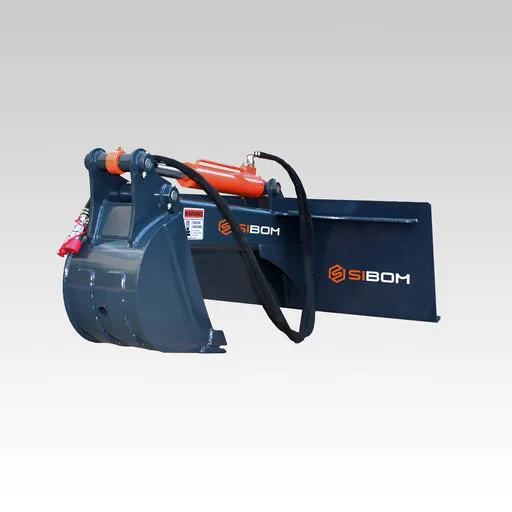
Excavator Attachments
Buckets, rippers, thumbs and breaker mounts for tracked and wheeled excavators. Pin geometry and hanger dimensions must be precisely controlled for safe fitment.
Fully Custom Attachment Projects
Non-catalogue designs for specific applications, machine models or site conditions. Custom projects require a defined development process — concept review, drawing approval, prototype evaluation and production sign-off.
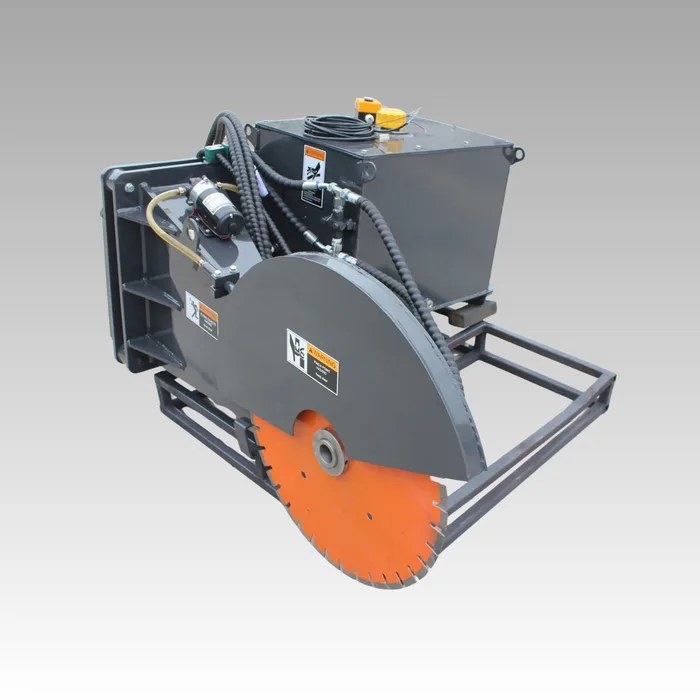
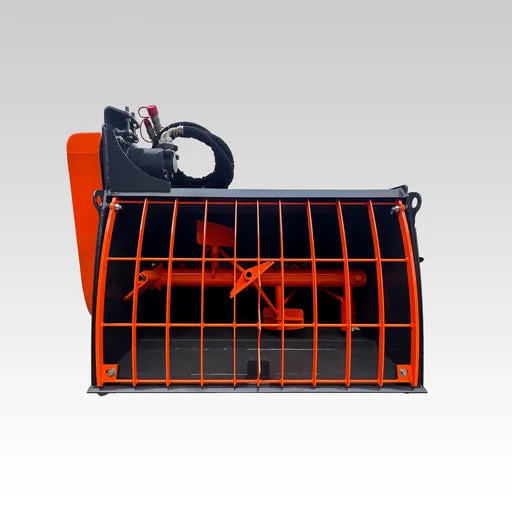
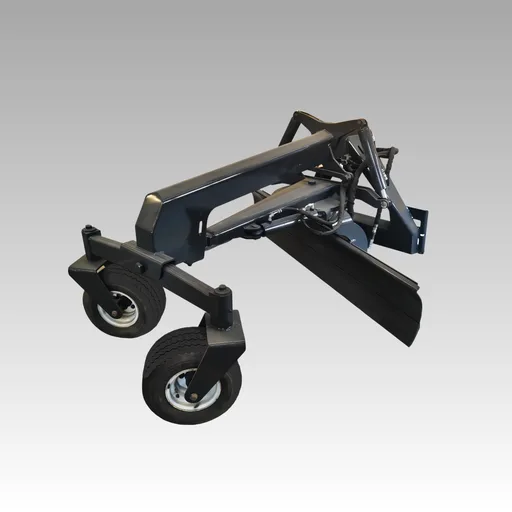
Review the full Sibom attachment product range to assess catalogue coverage against your requirements.
Quality Standards Global Buyers Should Request
Quality documentation protects both buyer and manufacturer in export supply relationships. Standard requests should include:
Material Certificates and Weld Inspection
Mill certificates for plate and structural steel. Weld inspection records for critical structural joints on buckets, grapple frames and load-bearing components.
Dimensional Accuracy and Fitment Testing
Dimensional reports against approved drawings, with pin centre and coupler interface measurements verified on a sample basis per production batch.
Pre-Shipment Inspection Documentation
Photographic records and inspection checklists confirming surface finish, hardware completeness, paint or coating specification and packaging adequacy for export transport.
Commercial Terms That Affect Long-Term Partnerships
Commercial structure determines whether an OEM relationship is sustainable beyond an initial trial order.
MOQ, Pricing Structure and Volume Discounts
Minimum order quantities vary by attachment type and customisation level. Agree pricing tiers at the outset for anticipated annual volumes. Understand how engineering charges, tooling costs and sample development fees are treated in the pricing model.
Warranty, Spare Parts and Technical Support
Define warranty scope — typically covering structural weld integrity and material defects for a defined period. Confirm availability of wear parts (cutting edges, teeth, pins, hoses) and response times for technical queries from your field teams.
Export Packaging and Shipping to Australia and New Zealand
Attachments are heavy, irregularly shaped cargo. Proper crating, corrosion protection and container loading plans reduce damage risk in transit. Confirm the manufacturer's experience shipping to your destination port and their ability to provide compliant export documentation.
Red Flags When Choosing an Attachment Supplier
Experienced buyers watch for warning signs that indicate a supplier may not sustain OEM-quality supply:
Unwillingness to provide material certificates or weld inspection records.
No engineering review process — "send us a drawing and we'll make it" without structural input.
Inconsistent dimensional accuracy across repeat orders of the same SKU.
No pre-shipment inspection protocol or photographic documentation.
Significantly below-market pricing with no transparent explanation of material or process compromises.
Poor communication on lead time changes or production delays.
Request factory documentation and capability information early in the evaluation process rather than after placing a trial order.
How to Start an OEM Attachment Project with Sibom Industry
A structured onboarding process reduces risk for both parties. The recommended steps are:
Define your product requirements — attachment types, machine compatibility, volumes and branding needs.
Share machine data, coupler specifications and any reference drawings or samples.
Review engineering proposals and approve production drawings.
Commission a sample or trial batch for field evaluation.
Agree commercial terms, quality standards and delivery schedule for production orders.
Learn more about Sibom manufacturing facilities and processes before initiating a project enquiry.
Frequently Asked Questions
What is the typical MOQ for OEM attachment orders?
MOQ varies by attachment type and customisation level. Standard catalogue attachments may be available from five to ten units per SKU. Fully custom designs typically require higher initial quantities to cover tooling and engineering costs. Discuss your volume projections with the manufacturer to find the most efficient entry point.
Can an OEM manufacturer produce attachments for multiple machine brands?
Yes, provided pin centre dimensions and coupler interfaces are specified for each machine model. A capable manufacturer maintains dimensional databases for common machine platforms and can produce the same attachment design against multiple mounting configurations.
How long does custom attachment development usually take?
Simple modifications to catalogue designs may take four to six weeks. Fully custom projects — from concept to approved production drawing — typically require eight to sixteen weeks depending on complexity and prototype testing requirements.
What quality documents should I request before shipment?
As a minimum: material mill certificates, dimensional inspection report for the production batch, weld inspection records for structural components and pre-shipment photographs confirming finish and packaging.
Do OEM attachment manufacturers support private labelling?
Most established OEM manufacturers offer private label supply — applying your brand markings, paint colour and packaging to catalogue or custom-designed products. Confirm branding options and any associated costs during the quoting stage.
How do I request a manufacturing capability review?
Submit an OEM inquiry with your company profile, target product range, anticipated volumes and destination market. A capability review typically covers engineering resources, production capacity, quality systems and export experience relevant to your requirements.
Next Steps
Selecting an OEM attachment manufacturer is a long-term supply chain decision. Evaluate engineering capability, quality systems and commercial transparency before committing to volume orders. A structured trial process — sample approval, field testing and batch consistency verification — protects your investment and your customers.
Contact the Sibom OEM team to discuss attachment manufacturing requirements for your market.