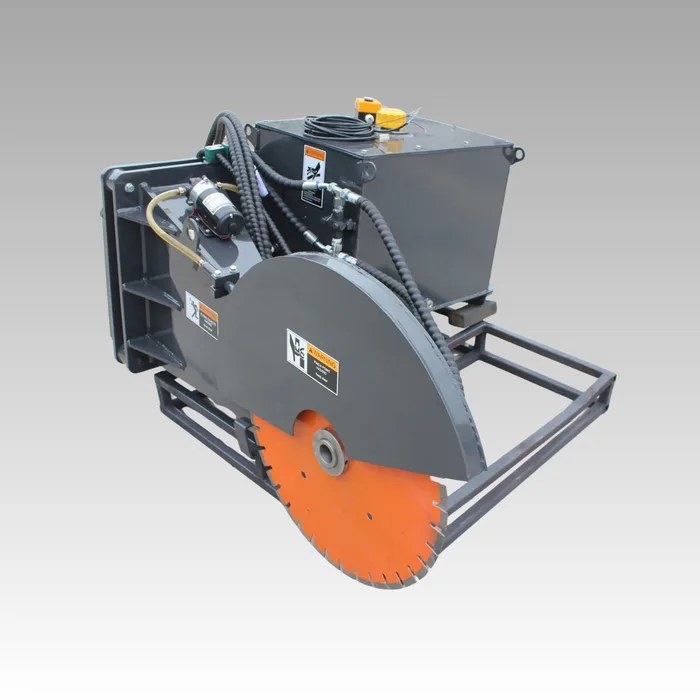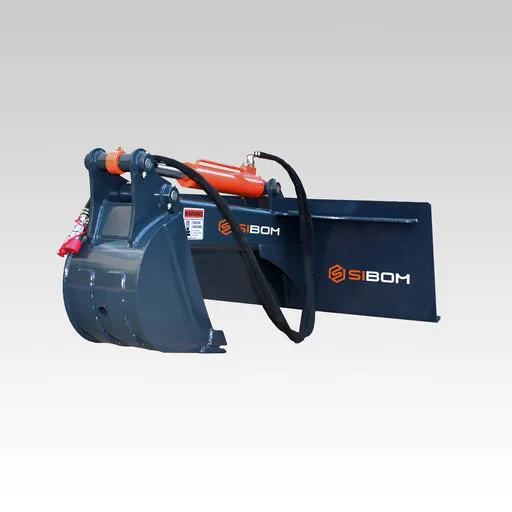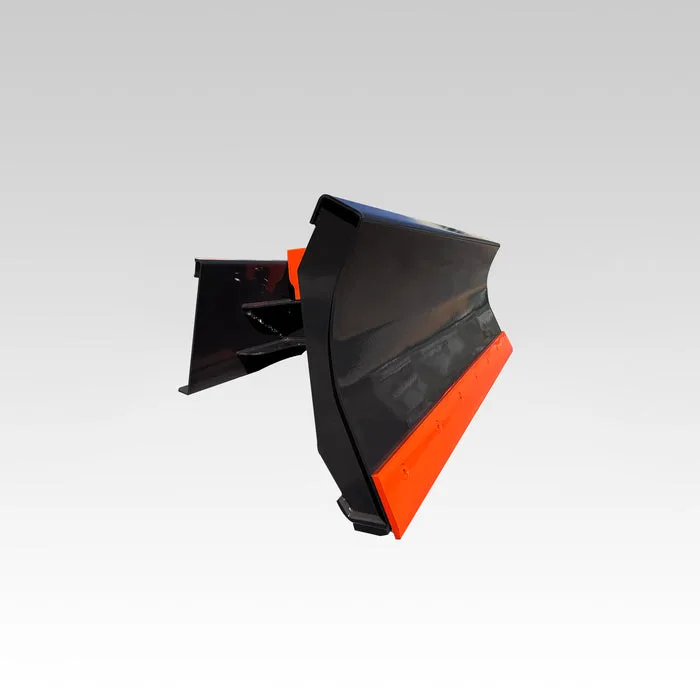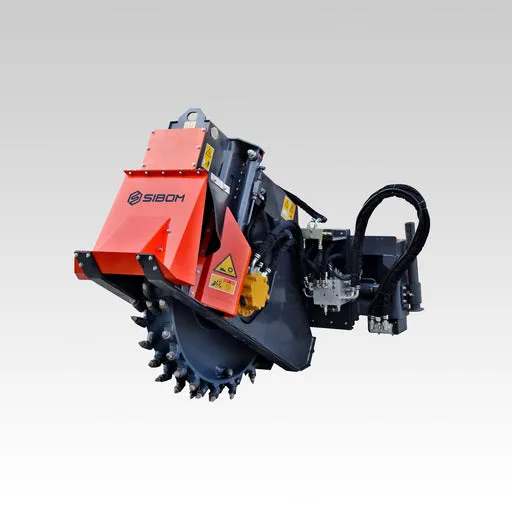
Standard catalogue attachments cover the majority of construction, agriculture and material handling applications. When machine geometry, site conditions or operational requirements fall outside standard specifications, custom attachments provide a fit-for-purpose solution. Specifying custom attachments correctly — with complete machine data and clear performance requirements — is the difference between a tool that performs from day one and one that requires costly rework.
This guide explains how to prepare a custom attachment specification, what information your manufacturer needs, and how the development process typically works.
When Custom Attachments Are the Right Choice
Custom specification is justified when one or more of the following conditions apply:
Your machine's coupler or pin centres do not match any standard catalogue attachment.
The application requires a non-standard bucket profile, grapple jaw configuration or structural specification.
Standard attachments fail prematurely due to unusual material conditions or operating cycles.
You are developing a branded product line and require consistent design standards across multiple SKUs.
Integrated features — such as a bucket with built-in thumb, lighting mounts or sensor brackets — are required.
If a standard catalogue attachment can be adapted with minor modifications (e.g. alternative pin centres on an existing bucket design), this is faster and more cost-effective than a fully custom development. Discuss adaptation options with your supplier before initiating a full custom project.
Information Your Manufacturer Needs
A complete specification package reduces development time and prevents fitment errors on delivery.
Machine Identification Data
Machine brand, model and operating weight class.
Serial number (if available) for machines with variant pin configurations.
Rated operating capacity or lift chart data at the relevant working height.
Coupler type and model (pin-on, mechanical quick coupler, hydraulic quick coupler).
Mounting Dimensions
Pin centre distance (A dimension) and pin diameter.
Coupler wedge dimensions and lock mechanism type.
Hanger width and dipper link geometry (for excavator attachments).
Photographs of the mounting area with a reference scale.
If you do not have dimensional data, provide the machine model and coupler type — a competent manufacturer can reference standard dimensional databases. For discontinued or modified machines, physical measurement of the existing attachment mounting points is recommended.
Hydraulic Specifications (for Powered Attachments)
Auxiliary hydraulic flow rate (L/min) and pressure (bar).
Number of hydraulic functions available (single, double or triple acting).
Case drain provision (required for some hydraulic motors).
Electrical circuit availability for solenoid-operated functions.
Application and Performance Requirements
Primary material type and density.
Estimated annual operating hours.
Required capacity, reach or jaw opening dimensions.
Duty level — standard, heavy duty or extreme duty.
Environmental conditions — abrasive, corrosive, high-impact or mixed.
Defining the Design Requirements Document
A clear design requirements document (DRD) aligns both parties before engineering work begins. Key sections include:
Functional Requirements
What the attachment must do — load capacity, digging depth, jaw opening, grading accuracy or cutting width. Define the primary function and any secondary functions required.
Structural and Material Requirements
Plate thickness, steel grade, wear plate specification and weld quality standards. Reference applicable standards or previous attachment performance data if available.
Interface Requirements
Mounting interface dimensions, hydraulic connection types and any machine-specific clearance constraints. Include minimum ground clearance or transport height limits if relevant.
Finish and Branding Requirements
Paint specification, colour (RAL or brand colour code), logo placement, warning markings and packaging requirements for export.
The Custom Attachment Development Process
A structured development process reduces risk and ensures both parties agree on the final specification before production begins.
Requirement review — manufacturer assesses your DRD and identifies any gaps or conflicts in the specification.
Concept proposal — preliminary design approach, material selection and estimated weight/capacity data.
Engineering drawings — detailed drawings for your review and approval. Dimensional data, material specifications and weld details should be confirmed at this stage.
Prototype or sample production — a single unit produced for fitment testing and field evaluation before batch production.
Field evaluation — install and operate the prototype under working conditions. Document performance, fitment and any required modifications.
Production approval — sign off on the final specification. Agree production quantities, lead time and quality inspection protocol.
Batch production and delivery — production with in-process quality checks and pre-shipment inspection.
Review Sibom custom engineering and manufacturing processes before initiating a development project.
Common Specification Mistakes to Avoid
Incomplete machine data — providing only the machine brand without model, coupler type or pin dimensions leads to fitment errors.
Undefined duty level — specifying a standard structural design for a heavy duty application results in premature failure.
Ignoring attachment weight — custom features add weight. Failing to account for this reduces safe payload and may compromise machine stability.
Skipping the drawing approval stage — proceeding to production without reviewing and approving engineering drawings is the most common cause of rework.
No prototype evaluation — for non-standard designs, field testing a prototype before batch production prevents costly errors at volume.
Commercial Considerations for Custom Projects
Custom attachment projects involve costs beyond unit production price:
Engineering and design fees — charged for original design work or significant modifications to catalogue platforms.
Tooling and fixture costs — for jigs, templates or CNC programs specific to your design.
Prototype cost — typically charged at a premium over production unit price.
MOQ requirements — production orders following prototype approval usually require a minimum batch quantity to amortise engineering investment.
Discuss commercial structure upfront. Some manufacturers absorb engineering costs into the production unit price for larger volume commitments.
Frequently Asked Questions
How long does a custom attachment project take from specification to delivery?
Simple adaptations to catalogue designs: four to six weeks. Fully custom projects with prototype evaluation: eight to sixteen weeks. Complex multi-feature designs may require longer development periods.
Can I provide my own design drawings?
Yes. Manufacturers can produce to your drawings, though a competent OEM partner will review the design for structural adequacy, manufacturability and fitment before accepting the specification. Engineering review of client-supplied drawings is standard practice.
What is the minimum order quantity for custom attachments?
MOQ depends on the complexity of the custom design and engineering investment. Typical production MOQs range from five to twenty units per SKU. Discuss volume commitments during the quoting stage.
How do I protect my custom design intellectual property?
Discuss IP arrangements during contract negotiation. Options include exclusive supply agreements, design ownership clauses and non-compete provisions on your specific design. Standard practice varies by manufacturer and market.
What happens if the prototype does not meet performance requirements?
The development process should include a defined rework protocol. Minor modifications are typically covered within the development fee. Major redesigns may incur additional engineering charges. Agree the rework scope and cost treatment before prototype production begins.
How do I start a custom attachment project with Sibom?
Submit your machine data and design requirements for an initial engineering review. Browse the standard attachment range first — adaptation of an existing design is often the fastest path to a custom solution.
Next Steps
Custom attachments deliver the best results when specification is thorough, the development process is structured and both parties agree on performance criteria before production. Prepare your machine data, define your application requirements clearly, and work with a manufacturer that provides engineering review — not just fabrication.
Contact Sibom Industry to discuss custom attachment specification for wheel loaders, skid steers and excavators.